

.svg)

%20(1).jpg)
If you've ever heard someone say, "My socket felt perfect this morning, but by the afternoon it just didn't feel the same," they're not alone.
One of the biggest challenges in prosthetic care is that the residual limb is constantly changing. Throughout the day, the limb naturally becomes slightly larger or smaller in response to activity, fluid movement, temperature, body position, and other everyday factors. These changes are known as residual limb volume fluctuations, and they play a significant role in how a prosthetic socket fits and feels.
Although these fluctuations are completely normal, they can make achieving a consistently comfortable socket fit much more challenging.
What Causes Residual Limb Volume Fluctuations?
Residual limb volume is never completely static. Even after the limb has fully healed, the body's tissues continue to respond to everyday life.
Walking, exercising, standing for long periods, sitting, changes in temperature, hydration, and natural fluid shifts can all affect the amount of fluid within the residual limb throughout the day. Longer term factors such as weight changes, muscle atrophy, changes in overall health, and certain medications can also gradually alter limb volume over time. As the use of GLP-1 medications for weight loss continues to grow, prosthetists are also seeing more patients experience significant changes in residual limb volume due to rapid weight loss, creating new considerations for maintaining a comfortable socket fit. We recently explored how GLP-1 medications are influencing prosthetic care and why this matters for socket fit.
Researchers have spent years studying these physiological changes and have found that they are a normal part of living with limb loss rather than an indication that something is wrong.
Why Does It Affect Socket Fit?
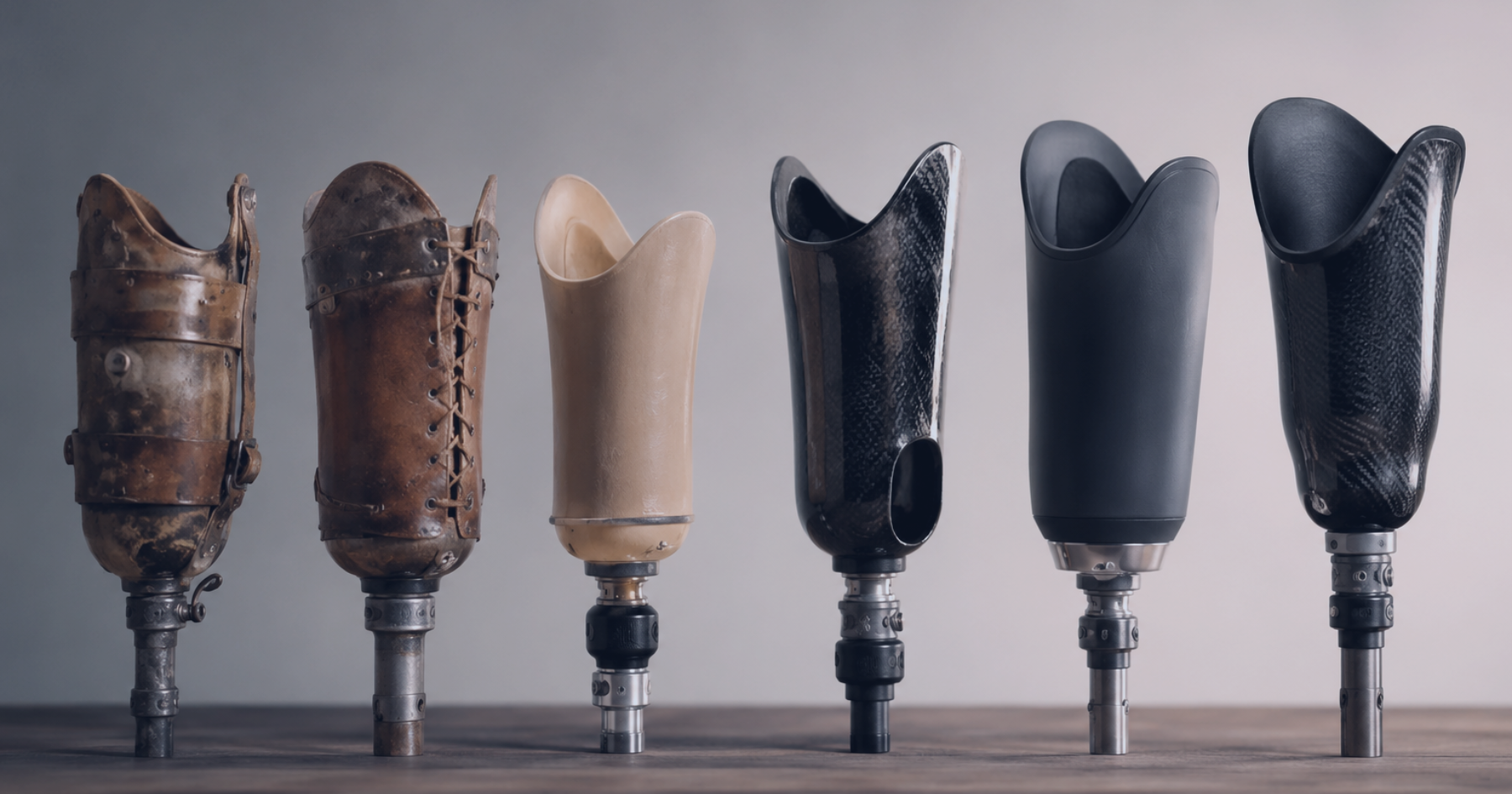
While the residual limb naturally changes throughout the day, a traditional prosthetic socket does not. Most sockets are designed with a fixed internal shape, meaning they cannot automatically adapt as the limb gains or loses volume.
Even relatively small volume changes can influence how the socket feels. A socket that initially feels comfortable may begin to feel loose after several hours of activity, while at other times it may create pressure in areas that previously felt fine. This changing fit can affect comfort, suspension, stability, and confidence during walking.
Researchers have shown that relatively small changes in residual limb volume can meaningfully influence socket fit and interface pressures, reinforcing why managing volume fluctuations remains an important part of prosthetic care.
How Is Limb Volume Traditionally Managed?
For many years, prosthetists have relied on practical methods to help patients accommodate these natural changes. The most familiar approach is adding or removing prosthetic socks throughout the day to improve socket fit as limb volume changes.
Depending on the individual, prosthetists may also adjust liners, modify the socket, or fabricate a new socket when longer term volume changes occur. These approaches continue to be an important part of prosthetic care and have helped countless people achieve a better fit.
However, they also require the user to recognize when their fit has changed and manually respond to it, sometimes multiple times throughout the day.
Why Is Volume Management Receiving More Attention?
As our understanding of residual limb volume fluctuations has grown, so has the focus on technologies designed to better accommodate these changes.
Rather than simply responding after socket fit has already changed, researchers and clinicians have increasingly explored approaches that help maintain a more consistent fit as daily volume fluctuations occur.
This growing interest is reflected in recent clinical research. In 2026, researchers from the Hanger Institute analyzed outcomes from 444 adults who transitioned from fixed geometry sockets to adjustable volume sockets. Participants reported significant improvements in socket comfort, mobility, quality of life, satisfaction with walking, and overall satisfaction during their first year of use. The researchers also found that improvements in socket comfort were associated with longer daily prosthesis wear and better functional outcomes.
While this study evaluated adjustable-volume sockets, it reinforces a broader point: effectively managing residual limb volume is an important part of maintaining socket comfort and function. Today, clinicians have access to a growing range of volume management strategies, from traditional sock management and adjustable-volume socket designs to automatic volume management systems that work within a custom prosthetic socket. Each approach offers different advantages depending on the individual's needs, goals, and clinical presentation.
Looking Ahead
Residual limb volume fluctuation is something nearly every prosthesis user experiences. Like other changes that occur in the residual limb over time, it isn't a sign that a prosthesis has failed or that something is wrong with the residual limb. Instead, it reflects the natural way our bodies respond to movement and everyday life.
Understanding why these changes occur helps clinicians and prosthesis users make more informed decisions about socket fit and long term care. As research continues to expand our understanding of volume management and new technologies emerge, the goal remains the same: helping people spend less time thinking about their socket fit and more time focusing on the activities that matter most.
At Vessl, we believe that understanding the challenges people face is the first step toward developing better solutions. Residual limb volume fluctuation is one of the most important factors influencing socket comfort, and continuing to learn from both clinical experience and emerging research will help shape the future of prosthetic care.

.png)