
.svg)

.png)
Introduction
Recovery after amputation does not end when the surgical site heals. The residual limb continues to change in shape and size long after surgery, especially during the first year. These changes directly affect how the prosthetic socket fits and feels. Understanding what is happening inside your limb helps you make better decisions about prosthetic fitting and adjustments. It also empowers you to stay comfortable, avoid unnecessary pain, and get the most out of your prosthesis.
Why the Residual Limb Changes Post-Amputation
There are biological and mechanical reasons the residual limb changes over time. After surgery, the body naturally reduces swelling and sheds excess fluid. Muscles in the limb may atrophy or shift due to changes in use, and soft tissues begin to settle into a new shape. Your weight may also fluctuate, which can further affect limb volume. All of this is expected, especially in the first year. These changes are not a sign that something is wrong. They are a normal part of healing and adapting to life with a prosthesis.
The Early Phase: Rapid Volume Loss
The first few months after surgery bring the most noticeable changes. Between three to six months post-amputation, swelling subsides and the limb becomes more defined. Many users go through several temporary prosthetic fittings or socket adjustments during this period to keep up with the rapid volume loss. This phase requires patience and frequent communication with your prosthetist to ensure your prosthetic socket continues to support your mobility and comfort.
Long-Term Changes: Gradual but Ongoing
Even after the initial healing period, your residual limb will continue to change. Factors such as seasonal temperature shifts, hydration levels, physical activity, and ongoing pressure from the socket can all influence volume and shape. While the changes are slower, they still matter. That is why long-term success with a prosthesis includes regular check-ins and a commitment to monitoring how your limb feels in the socket over time.
How Limb Changes Affect Prosthetic Fit
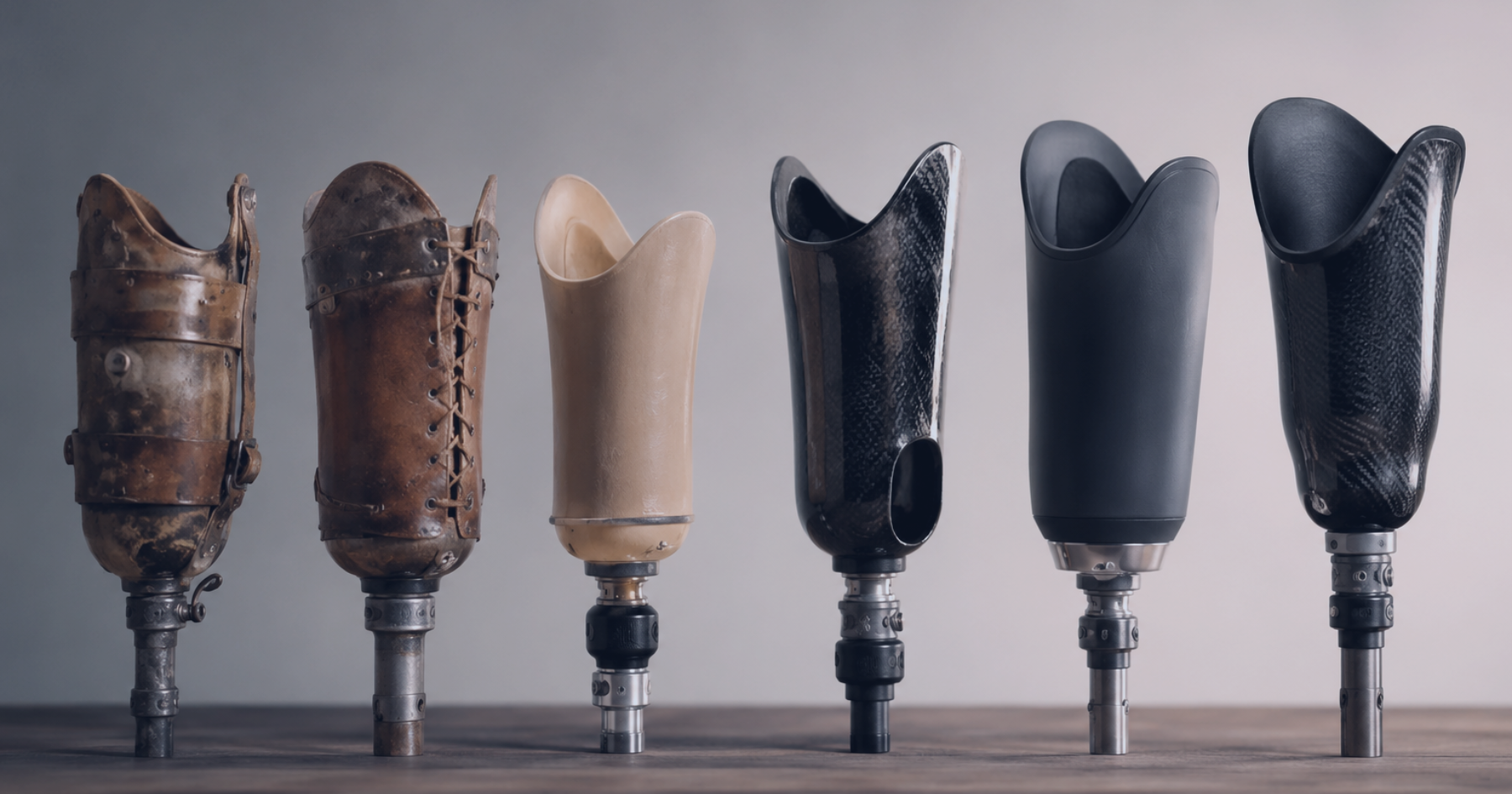
As your limb changes, you might notice new fit-related issues. The socket may begin to feel loose, or you may feel pressure in places that used to feel fine. You might experience instability during movement or develop skin irritation or redness where there was none before. These are all signs that your socket is no longer matching the shape of your limb. Understanding the connection between residual limb changes and comfort problems helps you respond more effectively rather than just putting up with discomfort.
Signs It’s Time for a Fit Review
Certain signs make it clear that it is time to revisit your prosthetic fitting. These include needing to wear multiple layers of prosthetic socks every day, feeling your limb slip inside the socket, seeing red marks or irritated skin after use, or noticing a change in how you walk. If your prosthesis does not feel as secure or comfortable as it once did, do not ignore it. Getting ahead of these issues by scheduling a review can prevent small problems from becoming bigger ones.
Managing Change: Proactive Fit Strategies
There are several strategies that can help you manage ongoing changes in your residual limb. Using the right amount of sock ply each day can temporarily improve comfort and stability. Adjustable socket systems, like the Kinn, offer a more dynamic solution by allowing fit changes to be made easily without needing a full replacement. Routine appointments with your prosthetist help catch fit issues early and provide guidance as your limb evolves. Maintaining overall health, including hydration, nutrition, and exercise, also plays a role in how your limb responds to prosthetic use.
Final thoughts
Residual limb changes are a natural and expected part of the post-amputation journey. They do not mean something is wrong; they mean your body is healing and adapting. With awareness, proactive strategies, and the right support, you can maintain a comfortable and functional fit for years to come. Staying ahead of changes helps you avoid frustration and allows your prosthesis to work for you, not against you.

%20(1).jpg)